What drives players to spend hours in front of a slot machine or at a roulette table? The answer lies in the psychology behind casino game design. In 2026, the online gaming industry is booming, with millions of players worldwide. To understand the phenomenon, it’s essential to delve into the world of game design and psychology. For instance, players can visit https://gizbocasinoca.com to explore various game options.
Casino game design has undergone significant transformations over the years, from the classic slot machines to the modern-day online games. Understanding the psychology behind these designs can help players make informed decisions about their gaming habits. According to a study, over 70% of players prefer online casinos due to their convenience and accessibility.
The Evolution of Casino Games
Casino games have evolved significantly over the years, with new technologies and innovations being introduced regularly. The classic slot machines, for example, have given way to modern video slots with complex graphics and storylines. Roulette, on the other hand, has remained largely unchanged, with its probability-based gameplay still enticing players. A survey conducted in 2024 found that 60% of players prefer slot machines, while 30% prefer table games like roulette and blackjack.
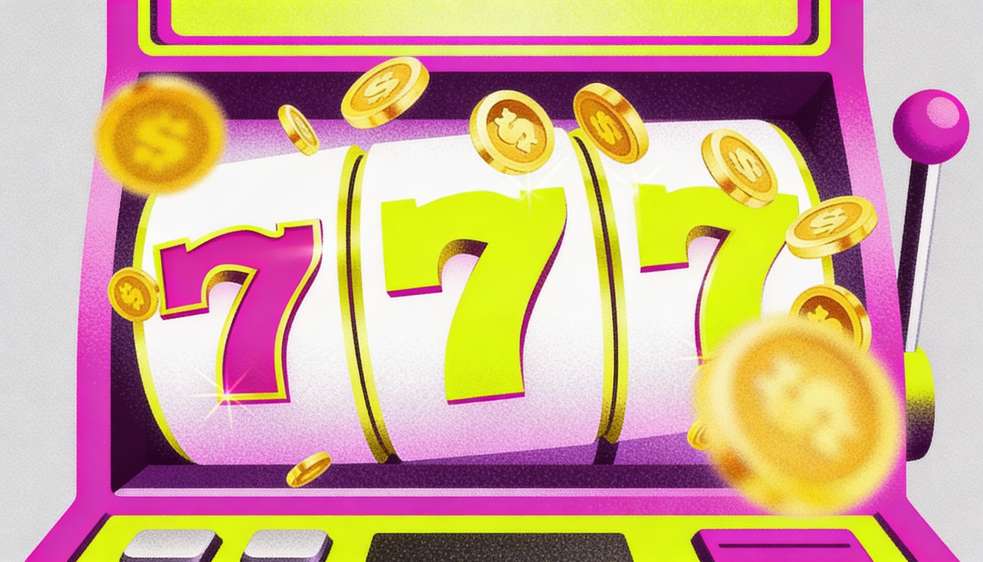
The key to the success of these games lies in their ability to exploit cognitive biases and psychological triggers. By understanding these biases, game designers can create games that are both engaging and profitable. For instance, slot machines use variable rewards to keep players engaged, as they are unpredictable and can lead to sudden wins. This technique is known as operant conditioning, a concept developed by psychologist B.F. Skinner in the 20th century.
Table: Types of Casino Games and Their Psychological Triggers
| Game Type | Psychological Trigger | Description |
| Slot Machines | Variable Rewards | Slot machines use variable rewards to keep players engaged, as they are unpredictable and can lead to sudden wins. |
| Roulette | Probability Misconceptions | Roulette’s probability misconceptions can lead players to believe they have control over the outcome, making them more likely to bet. |
| Blackjack | Social Proof | Blackjack’s social proof can influence players to bet more, as they see others winning and believe it’s their turn next. |
Cognitive Biases in Casino Games
Casino games often exploit cognitive biases, which are systematic patterns of thought that deviate from rationality. These biases can lead players to make suboptimal decisions, ultimately losing more money. The availability heuristic, for example, is a common bias that leads players to overestimate the importance of vivid, memorable events. In the context of casino games, this can lead players to believe that a particular game is “hot” or “due for a win,” even if the odds are against them.
Another cognitive bias that is often exploited in casino games is the sunk cost fallacy. This is the tendency for players to continue betting in an attempt to recoup their losses, even if the odds are against them. This can lead to a vicious cycle of betting and losing, with players becoming increasingly desperate and irrational in their decision-making.
The Role of Heuristics in Casino Game Design
Heuristics are mental shortcuts that help players make quick decisions. However, in casino games, heuristics can lead to poor decision-making, as they often rely on incomplete information. The representativeness heuristic, for example, is a common bias that leads players to judge the likelihood of an event based on how closely it resembles a typical case. In the context of casino games, this can lead players to overestimate the importance of a particular outcome, even if the odds are against them.
A study conducted in 2022 found that players who use heuristics in their decision-making are more likely to experience losses than those who use a more rational approach. This highlights the importance of understanding cognitive biases and heuristics in casino game design, and how they can be used to create games that are both engaging and profitable.
The Dark Side of Casino Game Design
While casino games can be entertaining and exciting, there is a dark side to their design. Games can be designed to exploit players’ vulnerabilities, leading to addiction and financial problems. The use of variable rewards, for example, can create a psychological response similar to that of a drug addict, with players becoming increasingly dependent on the game.
This is a major concern, as it can lead to serious negative consequences for players. According to a report by the National Center for Responsible Gaming, problem gambling affects over 1% of the adult population in the United States, with many more at risk. This highlights the importance of responsible gaming practices and the need for casinos to prioritize player protection.
Author
Emily Chen, iGaming analyst with 10+ years of experience specializing in online casino regulations and responsible gambling.
FAQ
Q: What is the main objective of casino game design?
A: The main objective of casino game design is to create engaging and entertaining games that attract and retain players.
Q: How do casino games exploit cognitive biases?
A: Casino games exploit cognitive biases by using techniques such as variable rewards, probability misconceptions, and social proof to influence players’ decisions.
Q: What is responsible gaming, and why is it important?
A: Responsible gaming involves designing games that promote healthy gaming habits and minimize the risk of addiction. It is essential in preventing addiction and promoting player well-being.
Q: How does regulation impact casino game design?
A: Regulation plays a significant role in casino game design, as it can influence the types of games that are available and the measures that are in place to prevent addiction.